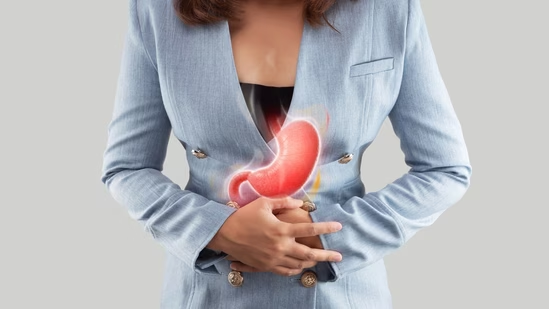





























That familiar burning in the chest, a sour taste in the mouth, or discomfort that worsens after every meal—GERD is more than just acidity. For many people, it becomes a recurring digestive issue that interferes with sleep, eating habits, and daily comfort. Gastroesophageal reflux disease (GERD) occurs when stomach acid repeatedly flows back into the food pipe, irritating its lining. While medication is often used to control symptoms, lifestyle choices play an equally important role. Gentle movement, calm breathing, and a healthy diet can help support digestion and reduce triggers. As per the yoga expert, yoga is also one of the ways to help the digestive system work more smoothly.
What causes GERD and its common symptoms?
GERD is commonly caused by overeating, frequent intake of spicy or fried foods, excess body weight, stress, and lying down immediately after meals. These factors weaken the lower esophageal sphincter, allowing acid to flow upward. According to Arooshi Aggarwal, certified nutritionist and yoga instructor, common symptoms include persistent heartburn, a sour or bitter taste in the mouth, excessive burping, chest discomfort (non-cardiac), bloating, and a feeling of heaviness after eating.
9 yoga asanas that may help manage GERD
1. Vajrasana
One of the few poses safe after meals, Vajrasana improves digestion and prevents acid buildup by enhancing blood flow to the stomach.
How to do it: Sit on your heels with the spine straight. Place hands on thighs and breathe deeply for 5–10 minutes.
2. Pawanmuktasana (Wind-relieving pose)
“It relieves gas, bloating, and abdominal pressure by gently compressing the stomach,” says Aggarwal.
How to do it: Lie on your back, hug both knees to the chest, lift the head slightly, and breathe slowly.
3. Marjaryasana–Bitilasana (Cat–cow pose)
This pose massages digestive organs, improves gut movement, and eases constipation and acidity.
How to do it: Come to the tabletop position. Inhale, drop the belly, and lift the head (Cow). Exhale, round the spine, and tuck the chin (Cat). Repeat.
4. Setu Bandhasana (Bridge pose)
This pose strengthens abdominal muscles and improves blood circulation to digestive organs without compressing the stomach.
How to do it: Lie on your back, bend your knees, feet hip-width apart. Inhale and lift hips gently. Exhale and lower slowly.
5. Balasana (Child’s pose)
It relieves stress, a major GERD trigger, and relaxes the abdominal region.
How to do it: Kneel, sit on heels, and fold forward with forehead on the mat. Breathe deeply.
6. Ardha Matsyendrasana (Seated spinal twist)
“This pose stimulates digestion and gently detoxifies abdominal organs,” Aggarwal tells Health Shots.
How to do it: Sit with legs extended, bend one knee across the other, and twist gently from the spine. Repeat on both sides. Practice only on an empty stomach.
Breathing exercises to relieve GERD symptoms
Stress management is crucial for GERD relief. Practice these breathing exercises in order to manage it:
7. Anulom Vilom (Alternate nostril breathing)
This breathing technique helps balance the nervous system, reduces stress-induced acid reflux, and supports better digestive function by calming the gut–brain connection.
How to perform it: Sit comfortably with an upright spine and breathe in deeply through the nose, letting the abdomen expand. Exhale slowly and fully, continuing calm, steady breathing for 5–10 minutes.
8. Bhramari Pranayama (Bee breath)
Bhramari helps calm the mind, reduces anxiety-related acidity, and lowers stress levels that often trigger GERD symptoms.
How to perform it: Sit in a relaxed position with eyes closed. Inhale deeply through the nose. Exhale slowly while making a gentle humming sound. Focus on the vibration. Repeat for 5–7 rounds or up to 5 minutes.
9. Sukhasana with deep breathing
This simple practice encourages mindful breathing, improves oxygen flow, and supports digestion by calming the parasympathetic nervous system.
How to perform it: Sit comfortably with an upright spine. Inhale deeply through the nose, expanding the abdomen. Exhale slowly and completely. Continue calm, steady breathing for 5–10 minutes.



