




























Heart issues were earlier diagnosed in the late 50s or 60s, but things have changed. More and more people are reportedly facing heart issues, including irregular heartbeats, in their 20s and 30s.
In an interview with HT Lifestyle, Dr Vanita Arora, clinical Lead, cardiac electrophysiology, and a senior consultant interventional cardiologist and cardiac electrophysiologist at Indraprastha Apollo Hospital, Delhi, breaks down the reason behind this.
Irregular heartbeats in 20s and 30s
According to Dr Vanita, regular checkups partly explain the increased detection, but people using smartwatches and fitness trackers also contribute because these devices capture heart activity. “Now irregular heart rhythms are documented and brought to the doctor for possible treatment,” added Dr Vanita.

Consumption of stimulants
Doctors say that improved detection and education are not the only causes. Cardiologists blame a high consumption of stimulants. “Energy drinks, high caffeine consumption, and recreational drug usage are some of these stimulants. Nicotine, like some of these stimulants, can also cause irregular heart rhythms,” said Dr Vanita. Alcohol is also a concern. Drinking is documented to cause the heart rhythm to go erratic.
Poor sleep and stress
Poor sleep and chronic stress also impact heart health. Dr Vanita highlighted that young adults may be working long hours in jobs with erratic schedules and home schedules. This lifestyle has chronic high stress levels, poor sleep, and poor heart health.
Thyroid problems
Some problems are chronic and do not have obvious symptoms. According to Dr Vanita, thyroid can also cause irregular heart rhythms. High blood pressure is also connected to these problems, as well as structural congenital heart defects.
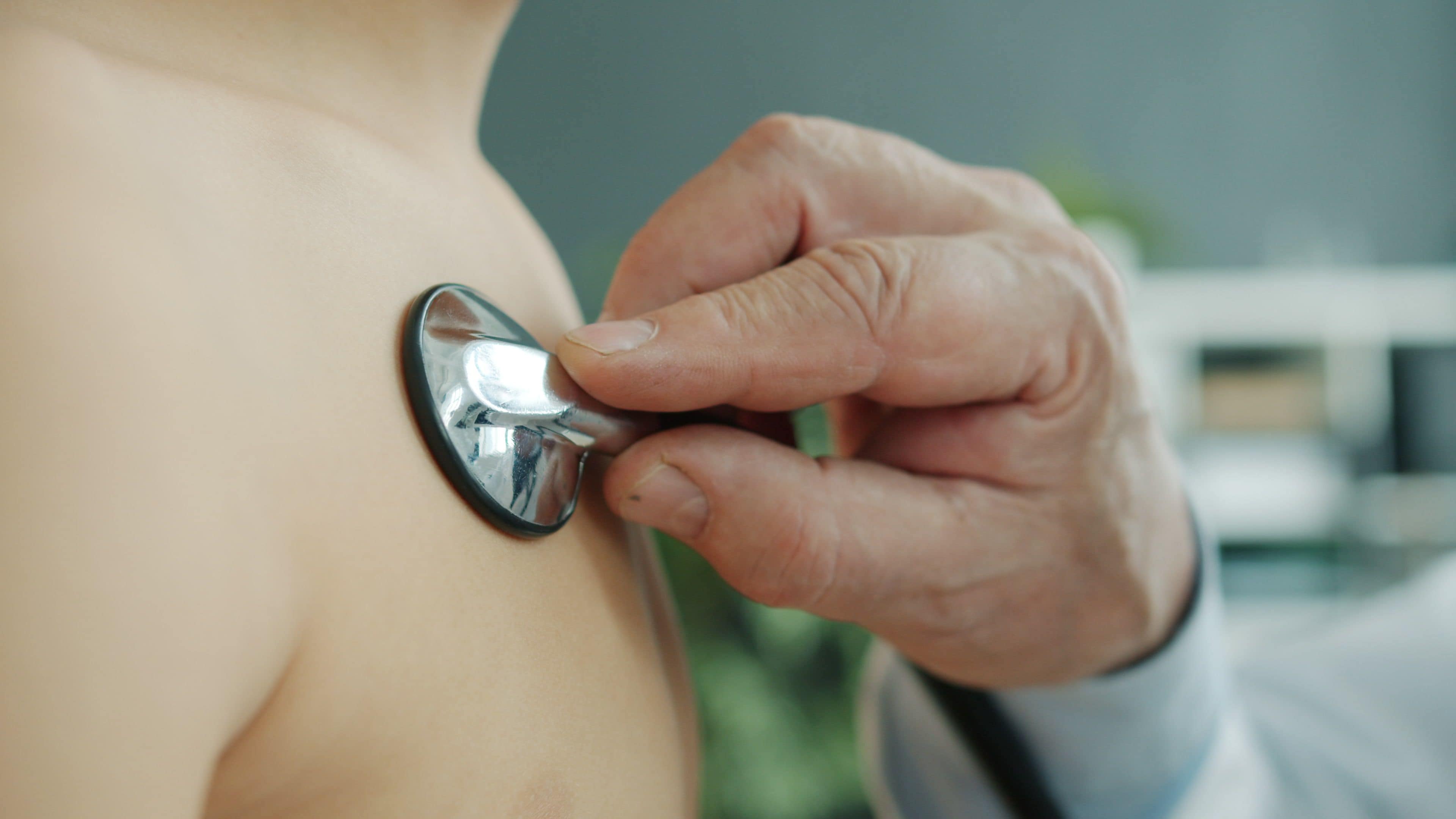
“Faster heartbeats that come suddenly and settle suddenly or flutters that occur several times and last several seconds or longer, causing symptoms of dizziness, chest pain, or shortness of breath, are serious,” explained Dr Vanita.
An ECG at the time of symptoms and a visit to a cardiologist are warranted in such cases. It would be more economical to take care of this concern than to wait for the palpitations to become worse and highly symptomatic.
Note to readers: This article is for informational purposes only and not a substitute for professional medical advice. Always seek the advice of your doctor with any questions about a medical condition.



