




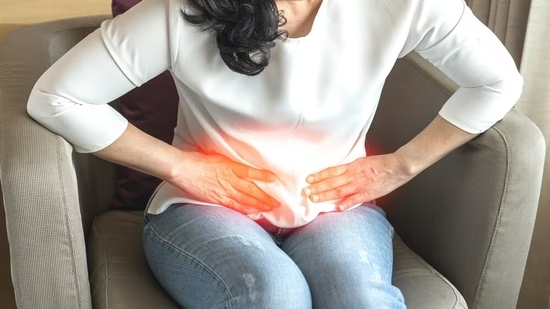

























Polycystic Ovary Syndrome (PCOS) isn’t just a hormone issue; it’s a lifestyle disorder rooted in insulin resistance, inflammation, and daily habits. However, a lot of women try to treat PCOS and PCOD (Polycystic Ovarian Disease) by taking supplements.
According to Dr Shubham Vatsya, a gastroenterologist and hepatologist at Fortis Vasant Kunj with over 10 years of experience, real change with PCOS and PCOD begins with what you eat and how you live.
Supplements don’t cure PCOS and PCOD
In an Instagram post shared on November 30, Dr Vatsya recommended a healthy diet for women struggling with PCOS and PCOD. Sharing the video, he wrote in the caption, “For every woman battling PCOS, your routine is your real medicine.”
He suggested switching from processed carbs to whole foods, adding quality protein, healthy fats, and essential micronutrients, exercising regularly, completing your sleep cycle, and managing stress. Moreover, he warned, “Supplements help, but discipline heals.”
Best diet for PCOS and PCOD
According to Dr Vatsya, in India, about 10 to 20 percent of women have PCOS, meaning nearly one in five young women has Polycystic Ovarian Syndrome. He shared some of the usual symptoms of this condition, including:
- Irregular periods
- Acne
- Facial hair
- Weight gain
- Fertility issues
Additionally, he warned that the cause of PCOS is not just hormone imbalance; insulin resistance and inflammation are also factors. “Both of these issues are directly linked to poor diet and a sedentary lifestyle,” Dr Vatsya added.
Here’s what to avoid and what to include in your diet, as recommended by the gastroenterologist:
- Refined carbohydrates, sugar, junk food, and poor sleep cycles disrupt hormones, which prevent your ovaries from functioning regularly and doing the ovulation process.
- You should avoid refined carbs, such as bakery products, white bread, and fried foods, in your diet.
- Choose complex carbs like whole grains, millets, lentils, fruits, and vegetables.
- Include high-quality protein like eggs, paneer, tofu, or pulses in every meal.
- Incorporate healthy fats, such as nuts, seeds, olive oil, and fish oil, which help reduce inflammation.
- Vitamin D, Vitamin B12, zinc, and magnesium improve menstrual regularity and insulin sensitivity.
- Daily physical activity for one hour, along with eight hours of uninterrupted sleep and stress control, are the three most effective measures.
“The solution to PCOS is not supplements. It is just lifestyle discipline,” Dr Vatsya added.



