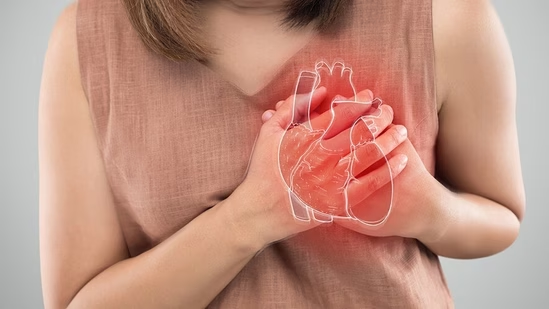




























Heart attack symptoms in women don’t always scream emergency. Feeling “weird”, unusually tired, or anxious is often brushed off, but ignoring these subtle warning signs can have serious consequences. Dr Sanjay Bhojraj, an interventional cardiologist and functional medicine expert with over 20 years of experience, shared in his January 24 Instagram post a cautionary case from early in his career that highlights how overlooking warning signs in women can have life-threatening consequences.
Can heart attack symptoms in women look different
Recalling one of the first female heart attack patients he treated while working in Orange County, Dr Bhojraj said the woman had initially visited another hospital after feeling unwell, though she was unable to clearly describe her symptoms.
“She had been feeling unwell and went to an outside hospital, just feeling weird. She didn’t know exactly what was going on, so she went to the ER. They did blood work and an EKG and said it was probably just anxiety. They told her to go home and try to relax,” he said.
Despite being discharged, the woman felt something wasn’t right and asked her husband to take her to Dr Bhojraj’s hospital “As she walked into the ER, she had a cardiac arrest. She went down just like you see on TV, needing chest compressions and shocks,” Dr Bhojraj recalled.
What this case reveal about heart disease in women
Doctors rushed her to the cardiac catheterisation lab, where they discovered a 100 per cent blockage in the left anterior descending artery, one of the heart’s most critical blood vessels. “It was a complete blockage of the artery that runs down the front of the heart,” he said, adding that the patient survived and continues to do well more than a decade later.
The case, Dr Bhojraj said, is a stark reminder of the gender bias that still exists in cardiac care. “We often forget that heart disease is the number one killer of women. At the outside hospital, nobody thought it could be cardiac, so they sent her home. If she were a man, she likely would have been admitted and undergone a much more intensive workup,” he said.
Dr Bhojraj said the experience has stayed with him throughout his career. “It’s kept me humble and made me far more aware of cardiovascular issues in women’s health,” he added.



