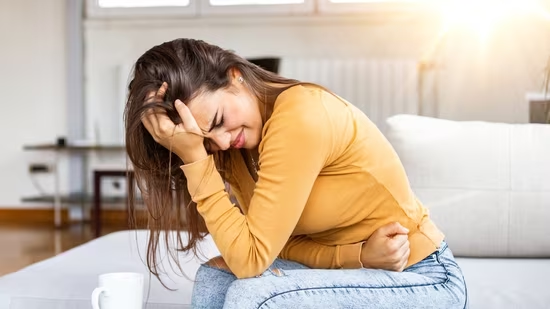

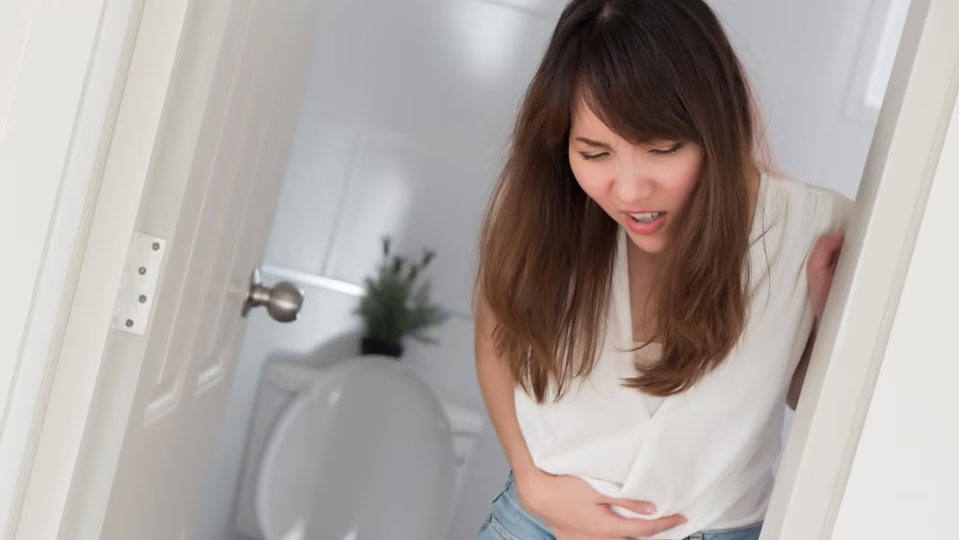























The crushing, piercing pain in the lower abdomen and back, accompanied by heavy bloating, is common in the days leading up to and during periods. For relief, many consume painkillers, and not without reason. And not without reason either, because period cramps can make even the simplest daily tasks feel herculean, so a painkiller feels like the quickest way to reduce the pain. Period pain feels like a major disruptor in your day; you end up missing work, cancelling plans, and staying in. So, in hopes of quick relief and bringing some semblance of normalcy back, many may reach out for painkillers.
But painkillers come with several adverse effects, with a big potential of affecting your internal organs, like the kidneys!
The way to resolve this is to shift your focus away from immediately popping a pill towards natural remedies. Otherwise, the habit of taking painkillers all too frequently can have a cumulative impact on your internal organs over time.
With a strategic and organic approach, period pain can be managed without immediately relying on painkillers. HT Lifestyle spoke to Dr (Prof) G P Dureja, director at Delhi Pain Management Centre and Advisor, Wholeleaf, with over 40 years of experience in pain management. He shared that there are several natural ways to manage period pain without resorting to medication.
Dr Dureja explained what painful periods are, why they occur, and the processes inside the body that influence the intensity of the cramps. “Medically known as dysmenorrhea, period pain happens when the uterus contracts to shed its lining. These contractions are driven by prostaglandins, hormone-like chemicals that also influence inflammation and pain. The higher the prostaglandin levels, the more intense the cramps tend to be.”
Further, the pain management specialist recommended these five remedies that are simple, practical, and actually backed by physiology:
1. Heat therapy

- Heat helps relax the uterine muscles and improves blood flow to the area, which can ease the intensity of contractions.
- Applying heat to the lower abdomen works on the same principle as muscle relaxation, less tension, and less pain.
- Use a heating pad or hot water bag for 15–20 minutes at a time, especially during peak cramps. A warm shower can have a similar effect.
2. Light movement instead of complete rest

- The instinct may be to rest, but staying completely still may actually make things worse.
- Gentle movement increases circulation and triggers the release of endorphins, natural chemicals that help reduce pain perception.
- Short walk, yoga or some light, low-effort stretching exercises are beneficial.
3. Abdominal massage with calming oils
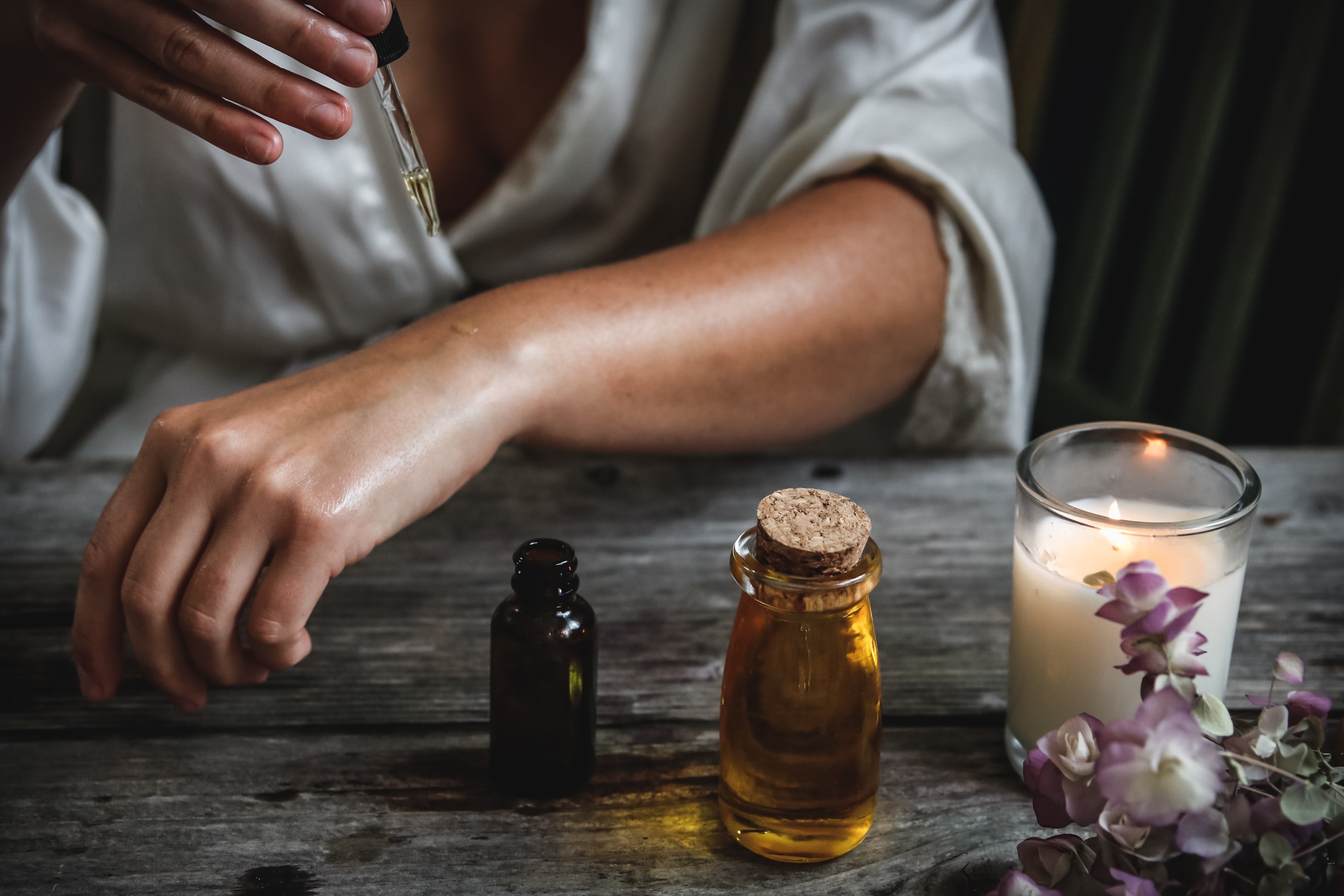
- Slow, circular massage on the lower abdomen can help reduce muscle tightness and improve local circulation. When combined with certain essential oils like lavender or clove (properly diluted), it may enhance the relaxation effect.
- Reduces muscle stiffness and plant compounds have mild anti-inflammatory properties.
- Mix a few drops of essential oil with a carrier oil like coconut oil and massage gently for 10 – 15 minutes.
4. Eat and drink healthy

- What one eats during their period can either support their body or make symptoms worse.
- Foods high in salt, sugar or unhealthy fats can contribute to bloating and inflammation, which may amplify discomfort.
- Warm fluids (herbal teas like ginger or chamomile tea, warm water, soups and broths) and anti-inflammatory foods (nuts and seeds, like almonds, flaxseeds) can help the body stay more balanced during this phase.
5. Reduce stress

- Higher stress levels can increase the body’s sensitivity to pain and may even affect hormone balance.
- Simple techniques like deep breathing, journaling, or even proper sleep can lower stress levels and indirectly reduce how intense the cramps feel.


