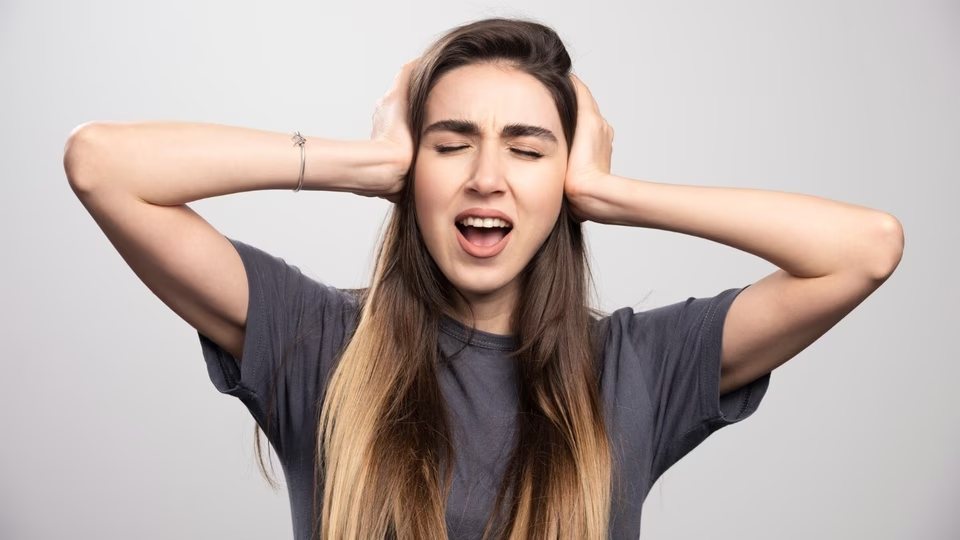



















You may have experienced a faint, high-pitched ringing in your ears after attending a concert, spending time near loudspeakers or being exposed to a noisy environment. It may gradually fade, and before long, you forget all about it. However, that temporary ringing could be a warning sign of noise-related hearing stress.
In an interview with HT Lifestyle, Prem Ranjan, audiologist and director, MED-EL India, explains that exposure to loud sounds can cause symptoms such as a feeling of heaviness in the head, ringing in the ears and temporarily reduced hearing sensitivity.
“Sometimes, these symptoms may last only for a short time, particularly when exposure to loud noise is brief. However, when exposure is prolonged or repeated over several days and weeks, the after-effects can become permanent,” he explains.
How loud noise can damage your hearing
“Deep inside the inner ear are thousands of tiny hair cells that convert sound waves into electrical signals that the brain can understand. These cells are delicate, and once damaged by excessive noise, they do not grow back,” says Ranjan.
The worrying part is that noise-related hearing damage may develop without obvious warning signs. There may be no pain or immediate indication of injury. Instead, hearing difficulties can gradually become noticeable, with people increasingly struggling to follow conversations or asking others to repeat themselves.
Regular exposure to loud sounds, whether at concerts, social gatherings, workplaces or through personal audio devices, can increase the risk of hearing damage. Being mindful of sound levels and limiting exposure can help protect hearing.
Simple precautions to protect your ears
Ranjan recommends taking a few simple precautions to reduce exposure to excessive noise.
“Maintain a safe distance from loudspeakers and other sources of intense sound. Carry earplugs when attending concerts or spending time in noisy environments. You can also take regular breaks by moving to a quieter place for a few minutes,” he advises.
People who use headphones should also be mindful of volume levels. If someone nearby can hear the music playing through your headphones, it may be a sign that the volume is too high.
Children need additional protection because loud sounds can be particularly overwhelming for them. Parents should limit their exposure to noisy environments and consider properly fitted hearing protection when necessary.

When should you seek medical advice?
Temporary ringing or muffled hearing after exposure to loud noise should not be ignored, particularly if the symptoms persist. “If ringing in the ears or a muffled feeling continues, consult an audiologist or an ENT specialist rather than waiting for it to disappear on its own,” says Ranjan.
An online hearing screening can also be a convenient first step towards understanding one’s hearing health. However, it is not a substitute for a comprehensive hearing assessment by a qualified professional.
Hearing loss does not mean losing touch with the world of sound
Ranjan emphasises that hearing loss can be addressed with appropriate evaluation and rehabilitation. Advances in hearing technology have made it possible for people with different types and degrees of hearing loss to access sound and stay connected with the world.
“Today, advanced hearing solutions, including cochlear implants, middle ear implants and bone conduction systems, can help people of different age groups stay connected to conversations, music and the everyday sounds that matter to them,” he says.
Protecting your hearing begins with being aware of the sounds around you and understanding the risks of prolonged exposure to excessive noise. Simple precautions, timely assessment and access to appropriate hearing solutions can help preserve your connection with the people and experiences around you.
Note to readers: This article is for informational purposes only and not a substitute for professional medical advice. Always seek the advice of your doctor with any questions about a medical condition.


